

You are rarely choosing between an amazing deal and a terrible one. More often, you are deciding between a decent offer, a slightly better rate somewhere else, or waiting until the next event. That is a smaller decision than the banner wants it to feel, but it still matters if you top up with any regularity.
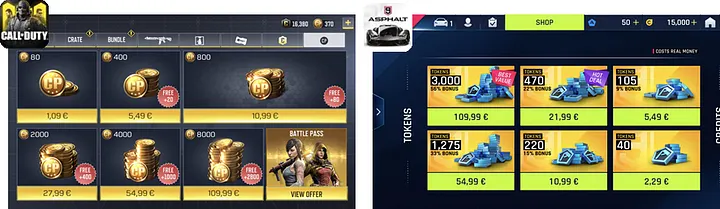
Some players only buy when they need enough currency for a pass, a limited skin, or a time-sensitive bundle. Others spend more consistently and care less about one flashy promo than about long-term value. The same offer can be a smart buy for one account and a waste for another, especially once first-purchase bonuses, fees, regional pricing, and event timing get involved.
Before paying, it helps to strip the offer down to basics: what you actually get, who can claim it, how it compares with normal pricing, and which conditions quietly weaken the headline value. That is usually where the “great deal” either holds up or falls apart.
Offer Scope and Eligibility
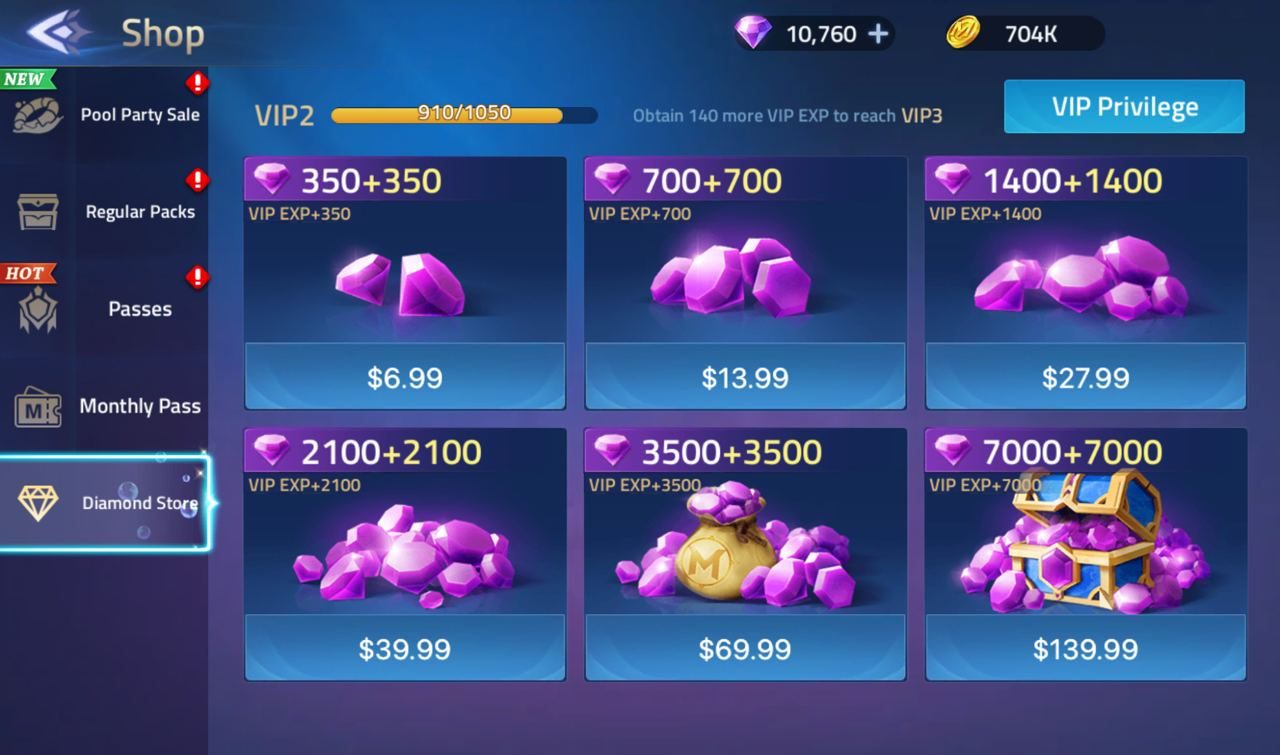
Start with what the offer really covers. Plenty of top-up promotions sound generous until you read the limits. Some apply only to one denomination. Others work only for new users, first-time payment methods, or one account per device. If the bonus only fits a narrow case, the real value drops fast.
Check the base package first. Does the promotion give extra in-game currency, cashback, or an additional reward box? Those are not equal. Direct currency is usually easiest to judge because you can compare it against the normal top-up rate. Bonus items can still be worth something, but only if they are items you would actually use rather than filler dressed up as value.
Then look at eligibility. Common restrictions include:
New account only or first recharge only
Selected payment methods only
Specific region or local currency only
Minimum spend threshold
Limited claim period during an event
One redemption per account or per platform
This matters because a deal aimed at new users should not be judged the same way as a repeat-buyer promotion. If you are already a paying player, a first-purchase boost is not one of your real options. And if the offer depends on a payment route with extra fees, the advertised savings may be weaker than they look.
Also check when the reward arrives. Delayed bonuses, rebate systems, or event-point conversions can muddy the value. If you need currency today to grab a battle pass before reset, a reward that lands tomorrow does not solve the problem in front of you.
Value Comparison
Once the terms are clear, compare value in the simplest possible way: total spend, total currency received, extra rewards, and any friction attached to the purchase. The cleanest comparison is cost per usable unit. Put plainly, how much are you paying for what you can actually spend in-game?
A practical order for comparing offers looks like this:
Compare the promoted package with the normal package from the same seller.
Compare it with equivalent denominations from other sellers.
Factor in payment fees, taxes, or exchange-rate differences.
Decide whether any bonus items replace something you would otherwise buy.
For example, a 10% currency bonus is usually better than a mystery item pack unless you already know that pack includes something you want. Small and guaranteed often beats flashy and uncertain.
Package size matters too. Larger bundles often have better nominal value, but that does not make them the best buy. If you only need enough currency for a monthly pass, the biggest package may improve unit pricing while pushing your total spend far past your plan. That is not savings. That is upselling.
Good value usually looks like one of these situations:
You were already going to top up, and the offer lowers your effective cost.
The bonus gets you past an important in-game threshold, such as a pass, pity counter, or event milestone.
The promotion stacks with a game event, loyalty perk, or first-payment benefit without adding extra fees.
Weak value usually shows up when the offer nudges you into spending more than planned, pads the bundle with rewards you do not need, or makes the final delivered amount hard to pin down. If you cannot explain the benefit in one sentence, the value is probably less impressive than the marketing makes it sound.
Timing changes the math too. An average offer can become a smart buy if it lines up with an event where every extra diamond, crystal, UC, CP, or coin converts better than usual. On the flip side, even a respectable bonus can feel thin if a larger anniversary or seasonal promotion is probably days away.
Decision Checklist
Before taking any top-up offer, run through a short check:
Was I already planning to spend this amount today?
Do I clearly understand who can claim the offer and how many times?
Is the reward mostly direct currency rather than vague extras?
Have I compared the effective value against the standard rate?
Are there payment fees, tax adjustments, or region restrictions?
Will the currency arrive in time for the event or purchase I care about?
Am I buying for value, or reacting to urgency in the banner copy?
If you answer no to two or three of these, stop and wait. Most top-up regret does not come from outright scams alone. It comes from buying the right thing at the wrong time, through the wrong channel, or in the wrong amount.
For regular spenders, consistency beats chasing every one-off promotion. Track which denominations you actually use, which events give the best conversion, and which sellers deliver reliably without complications. Over time, that matters more than squeezing out every small temporary bonus.
Risk Warnings
Not every problem shows up at checkout. Some appear later, after support becomes hard to reach or the account never receives the expected amount. Risk belongs in the buying decision from the start, not after the payment is done.
The most common warning signs are familiar:
Offer details are incomplete or inconsistent
The seller does not clearly state delivery expectations
Region and platform restrictions are buried in fine print
Customer support is hard to identify before payment
The deal depends on account-sharing or suspicious login requests
Be especially cautious with any process that asks for more account access than necessary. A legitimate purchase flow should not blur the line between payment and account control. Convenience is not worth avoidable account risk.
There is also a budget risk people tend to ignore because it feels less dramatic. Constant limited-time bonuses can make normal spending feel urgent. If a deal only works because it pushes you to buy more currency than you can reasonably use this month, it is not really saving money. It is pulling future spend forward.
And game economies change. Prices, bundles, pass structures, and event efficiency all shift over time. A package that was excellent value last season might be ordinary now. Old habits are a bad way to judge a current offer.
FAQ
How do I know if a top-up offer is actually better than the regular price?
Calculate the total usable currency and compare it with the standard package price. Then add or subtract any fees. If the bonus is not direct currency, only count it if it replaces something you would genuinely buy or use.
Are first-time recharge offers usually worth taking?
Often yes, but only if you were already planning to spend. First-time bonuses tend to be among the strongest promotions available, but they still lose value if they push you into a larger package than you need.
Should I buy a bigger package because the unit value is better?
Only if you know you will use the extra currency soon and without stretching your budget. Better unit economics do not automatically mean better personal value.
What matters more: bonus currency or extra items?
In most cases, bonus currency. It is easier to value and more flexible. Extra items can be worthwhile, but only when their contents are clear and relevant to your account goals.
Is it smarter to wait for seasonal events before topping up?
Usually, if your need is not urgent. Major events often improve value through stacking rewards, milestone spending events, or stronger bundle conversion. But if waiting means missing a pass or a time-limited claim, the delay may cost more than the later bonus saves.
Bottom Line
Most top-up offers live in the middle ground. They are not automatic wins, and they are not obvious traps. The real value depends on your timing, your account status, your usual spending pattern, and how clearly the terms are spelled out. The best offers make a purchase you already planned cheaper or more efficient without changing your budget.
If the promotion gives straightforward extra currency, fits the in-game goal you have right now, and comes without awkward restrictions or hidden costs, it is probably worth a serious look. If it leans on hype, oversized bundles, or vague bonus language, step back and compare it properly. Good top-up decisions are usually quiet ones. You buy what you already need, at the best real value available, and leave the rest alone.