

You have probably run into this: a top-up page flashes extra currency, a limited-time bonus, or a better-looking deal than the in-game store, and you still cannot tell if it is actually worth buying. Some offers are genuinely useful. Some only look that way until you check the conditions.
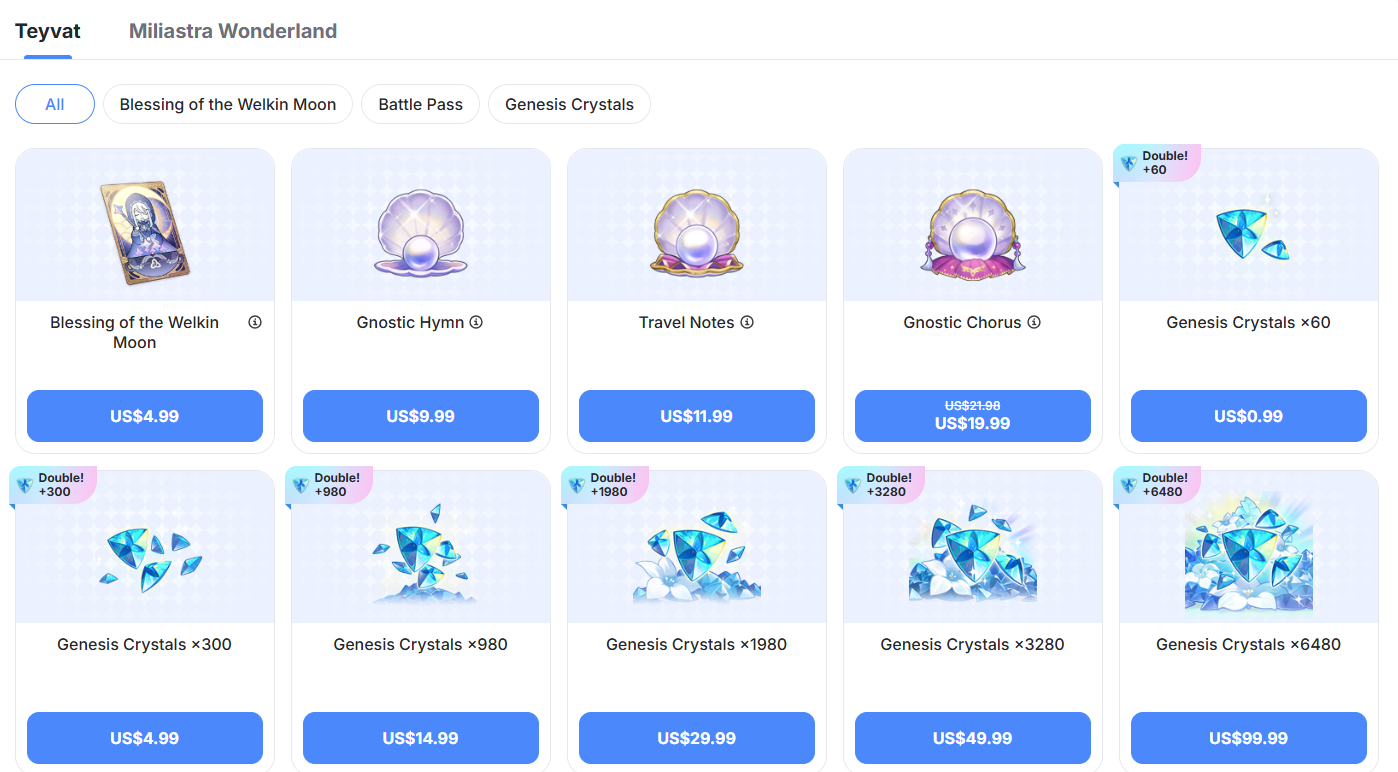
That is usually where the decision gets muddy. A package can seem generous because the headline number is bigger, but the real value may depend on first-time buyer status, region, payment method, or whether you were going to spend that amount in the first place. The best deal is not always the cheapest-looking one. It is the one that fits how you play, how often you top up, and how much flexibility you want after the purchase.
Before paying, it helps to strip the offer down to basics: what it covers, who qualifies, what the usable value actually is, and what could go wrong. That cuts through the urgency and makes the decision much clearer.
Offer Scope and Eligibility
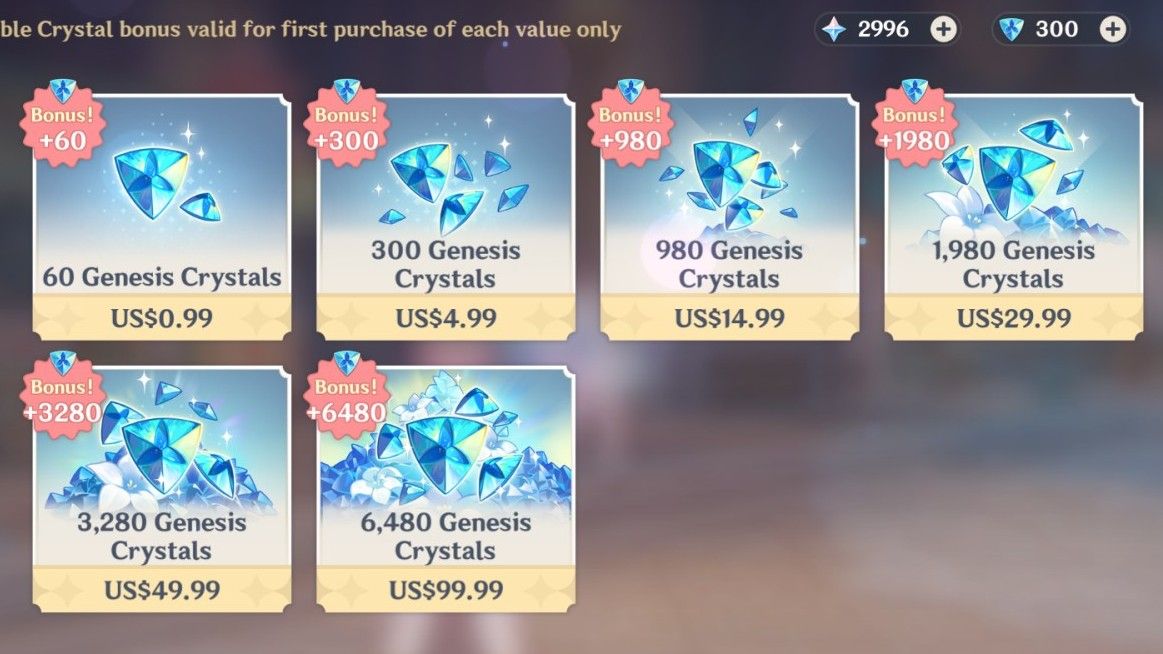
The first thing to check is what the offer really includes. Some gaming top-up offers apply to one title, one denomination, or one payment method only. Others add bonus currency, event tokens, battle pass progress, or account-specific rewards. Two packages can sit at nearly the same price and still deliver very different value once you unpack the extras.
Look closely at the scope of the deal:
Is it valid for one game only or across multiple games?
Does it apply to all top-up amounts or only selected bundles?
Are the bonuses instant, delayed, or tied to an in-game event period?
Is the reward account-bound, server-bound, or character-bound?
Can you repeat the purchase, or is it a one-time promotion?
Eligibility is where people often miss the fine print. A deal may be limited to first-time top-ups, new users, returning users, or players in certain regions. Sometimes the promotion is technically available, but only through a specific wallet or platform. That changes the real cost fast if your usual payment method adds fees or your account does not match the rules.
Also make sure the offer fits your account setup. A wrong server, wrong user ID, or region mismatch can turn a decent deal into a support issue. If the package only looks attractive because of a bonus item, confirm that your account can actually receive it before you pay. Strong offers are usually easy to explain. If you have to decode several layers of conditions just to find out whether you qualify, slow down.
Value Comparison
Once you know you qualify, compare value based on actual use, not marketing language. The cleanest way is to calculate effective value per unit. Check how much base currency you get, how much bonus currency comes with it, and whether the extras are things you would have bought anyway.
A practical comparison looks like this:
Write down the total price.
Separate base currency from bonus currency.
Add only the extras you personally value.
Subtract any payment fees, tax differences, or platform markups.
Compare the final effective value against the standard store rate.
This is where inflated percentages can mislead you. A “50% extra” offer may sound strong, but if that bonus only comes with a large bundle you would not normally buy, you are raising your total spend just to unlock it. The theoretical value may improve. Your practical value may not. Spending more than planned is not saving.
It also helps to compare by player type. Heavy spenders may get more out of cumulative bonus events, cashback structures, or larger bundles with stronger ratios. Casual players often get better real value from smaller entry packages, first-purchase bonuses, or offers tied to content they already know they want.
Time pressure can distort comparisons too. Event packs often look better because they include exclusive materials, but those materials only matter if you are active during the event and actually need them. A standard top-up with fewer flashy extras can be the smarter buy if it gives you flexible currency you can use later.
And convenience counts. A slightly weaker offer from a reliable source can still be the better purchase if delivery is fast, instructions are clear, and support is reachable. Price matters, but so does execution when the product is tied to a live account.
Decision Checklist
If you are on the fence, run through this list before checkout:
Does this match something I was already planning to buy?
Do I clearly qualify for the offer terms?
Is the bonus useful for my current progress?
Am I comparing the full cost, including payment or platform fees?
Would a smaller bundle do the same job with less waste?
Is this a one-time deal I truly benefit from, or just urgency marketing?
Can I verify account, server, and product details before payment?
Is the seller or platform consistent in delivery and support quality?
A simple rule helps here: if the package only looks good when you count every bonus at maximum theoretical value, it may not be a good offer for you. If it still holds up after you ignore the extras you do not need, that is usually a better sign.
Think about timing too. Will this top-up help over the next few days, or are you locking money into a game economy long before you need it? The longer the horizon, the more cautious you should be. Games change. Events rotate. Your interest can drop faster than expected.
Risk Warnings
Top-up offers can be perfectly legitimate and still come with a few obvious risk points.
First, do not assume the lowest headline price is automatically the best option. A discount means very little if processing is slow, account details are handled badly, or support disappears once there is a delivery problem. In this category, trust is part of the product.
Second, watch for hidden friction. Some offers are built to push you toward bigger bundles, unfamiliar payment methods, or narrow redemption windows. If the terms add complexity, that complexity is part of the cost.
Third, be honest about spending triggers. Countdown timers, bonus thresholds, and event tie-ins are designed to shrink hesitation. That does not make them illegitimate. It does mean you should separate real demand from pressure. If you would not buy the package without the timer, it may not be the right package.
Fourth, check refund expectations before you pay. Digital top-ups are often final once delivered. If anything is unclear about your user ID, server, or bonus eligibility, sort it out first rather than hoping it can be fixed later.
Lastly, do not treat bonus value as guaranteed future savings. In-game economies shift, your priorities change, and some extras expire or lose relevance. Buy what helps now or soon, not what only looks efficient on paper.
FAQ
How do I know if a top-up offer is actually better than the regular store price?
Compare total usable value, not just the advertised bonus. Include base currency, bonus currency you will realistically use, relevant extras, and any fees. Then measure that against the standard store rate for the same practical result.
Are first-time top-up bonuses usually worth taking?
Often, yes, if you were already planning to spend and the package size fits your budget. First-time offers can be some of the best-value promotions available, but only if the amount and terms suit what you actually need.
Should I buy a larger bundle just because the ratio looks better?
Not by default. A better unit ratio does not help if you are spending more than intended or sitting on unused currency for too long. The right bundle is the one you will use efficiently, not the one with the biggest headline percentage.
Do event-based offers beat standard top-up packages?
Sometimes, but mostly for active players who can use the event-specific rewards. If the extras are narrow, time-limited, or not relevant to your progress, a standard package may be the more sensible choice.
What is the biggest mistake players make with top-up offers?
The most common mistake is confusing marketing value with personal value. Players see a large bonus, skip the conditions, and spend more than they need to. The better approach is to judge fit first and the headline discount second.
Bottom Line
Most gaming top-up offers are not obvious bargains or obvious traps. They sit in the middle, and the difference usually comes down to fit. The right offer matches your game, account status, budget, and timing without needing pressure or fine print to make sense.
If you qualify cleanly, were already planning to spend, and can verify that the bonus meaningfully improves the purchase, the deal is probably worth considering. If the value only appears after stretching your budget, assuming perfect use of every extra, or ignoring awkward terms, pass.
The practical view is simple: treat top-up deals like any other purchase. Compare them calmly, count only the value you will actually use, and pick the option that still looks sensible after the promo language wears off.